Research Briefing
| Nov 20, 2024
Eurozone: How to set policy in an era of frequent supply shocks
An era of more frequent supply shocks, including from climate change, geopolitical tensions, and economic fragmentation, will make inflation more volatile.
What you will learn:
- In an optimal scenario, eurozone monetary policy would become more flexible, too, as central banks hike faster on the way up to keep inflation expectations anchored, followed by faster rate cuts as inflation recedes.
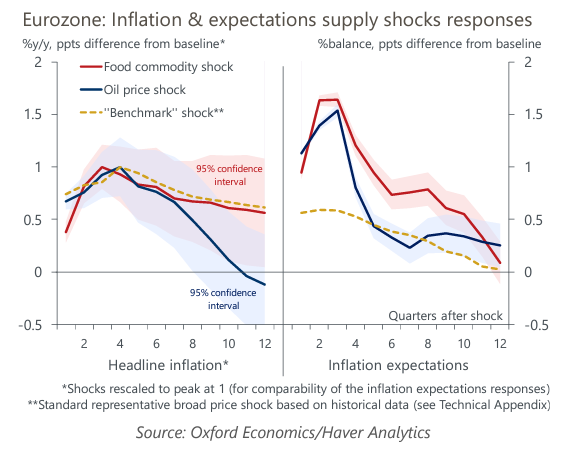
- Our modelling suggests optimal monetary policy should respond forcefully to anchor inflation expectations while being prepared for pre-emptive cuts once the supply shocks fade. Should the European Central Bank adopt a more flexible approach, we anticipate increased volatility in interest rates as well.
- However, we think the central bank might stray from the optimal policy path. The slow reaction to rising inflation in 2022 and the subsequent de-anchoring of expectations still live in the ECB’s institutional memory. In addition, households’ inflation expectations are sensitive to food and energy prices, which are exposed to supply shocks, which risks expectations de-anchoring.